Originally I was going to talk about the Mr. Game and Watch series and
how Nintendo really seemed to add quite an appealing angle to handheld
gaming even if it was probably as simple and as mindless as it was
entertaining, saying it straight, people love something to waste a bit
of time on especially if they're enjoying themselves in the process.
That of course led me to think how much I am brain-dribbling over the
new Pokemon, (like a lot of us to be fair.) they just made it so much
better!! Sorry. I'm just so pleased that Nintendo always find a way to
make everything OK again. My childhood is safe, for now.

So now as you might of guessed I'm going to hi-light some more on
Nintendo and its development into one of the gaming front runners of
modern day technology. If you didn't know Hiroshi Yamauchi (3rd
President of Nintendo) turned 'Nintendo Playing Card Company Limited'
into 'Nintendo Company' in 1963 when he realised that a card
manufacturing company had small hopes in a technology thriving world.
Sadly he died recently this year, may he rest in peace.
1964 to 1968 poor Nintendo was trying to fit its fingers into to many
pies, setting up a TV network, a Taxi company, a food company which sold
instant noodles and rice and also a chain of "love hotels". Yeah... now
my childhood is ruined.

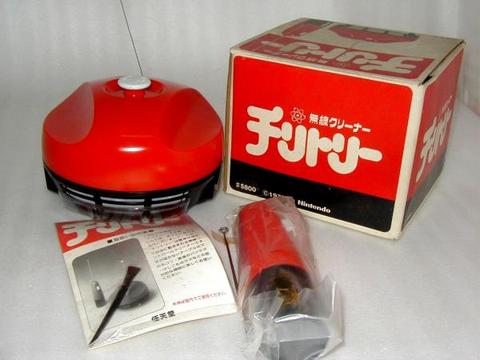
Some of the toys and games that they would sell made later appearances
in the games that they went on to produce, for example the 'Chiritory
[1]' which was toy hover you can see Wario using in WarioWare, Inc.

Bandai and Tomy being the most established companies, they dominated the
market and Nintendo struggled to stay a float within the Japanese toy
industry particularly with the debt they've accumulated. All until the
1970's when Shigeru Miyamoto was hired and became the visionary/father
of gaming that we've all grown to love leading back through nearly 2
decades of good ideas; Donkey Kong, Mario, Zelda, Metroid, Pikmin, the
list goes on. Without Miyamoto Nintendo would not be the same today, his
spark and creativity was what lead to the success in the industry that
they have today.

Gunpei Yokoi became a mentor to Miyamoto during his time spent in
Research and Development making sure to pass on all his knowledge and
creative insight. After all without Yokoi we would never of had the
invention of the D-Pad or even the Gameboy for that matter.

After testing the field with gaming consoles for some time as well as
continuing to develop the Mr. Game and Watch series for their handheld
devices they hit a sudden business boom in 1985 when the NES was
released. Nintendo realised it was onto something fantastic with these 2
concepts and they have proceeded to update them throughout the
companies career from 85' onwards.
This led them to design the first fully functioning wireless remote
system skyrocketing the modern age into a much more physical game-play
environment. As for the handhelds they we're also the first to install
glasses free 3D graphical interface, be it a gimmick or not.

So to summarize, well played Nintendo, you certainly worked your way up
the food chain, which really gives me great hope for myself, being a
single Games Designer in a massive world of hatching visionary's, let's
hope the spawn count isn't set to Unlimited.
Referencing:
http://www.vg247.com/2013/09/19/nintendo-president-hiroshi-yamauchi-has-died-at-85-reports-suggest/
http://inventors.about.com/od/nstartinventions/a/Nintendo.html
http://classic-video-games.yoexpert.com/classic-video-games-history/did-nintendo-run-love-hotels-in-japan-31273.html


 Some of the toys and games that they would sell made later appearances
in the games that they went on to produce, for example the 'Chiritory
[1]' which was toy hover you can see Wario using in WarioWare, Inc.
Some of the toys and games that they would sell made later appearances
in the games that they went on to produce, for example the 'Chiritory
[1]' which was toy hover you can see Wario using in WarioWare, Inc.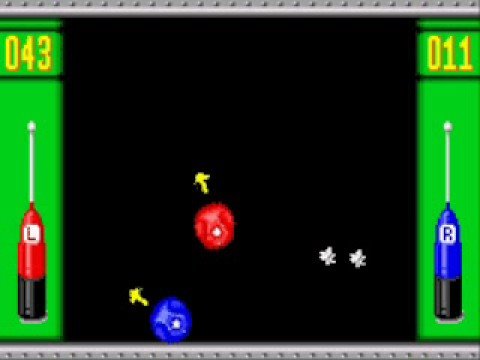
 Gunpei Yokoi became a mentor to Miyamoto during his time spent in
Research and Development making sure to pass on all his knowledge and
creative insight. After all without Yokoi we would never of had the
invention of the D-Pad or even the Gameboy for that matter.
Gunpei Yokoi became a mentor to Miyamoto during his time spent in
Research and Development making sure to pass on all his knowledge and
creative insight. After all without Yokoi we would never of had the
invention of the D-Pad or even the Gameboy for that matter.


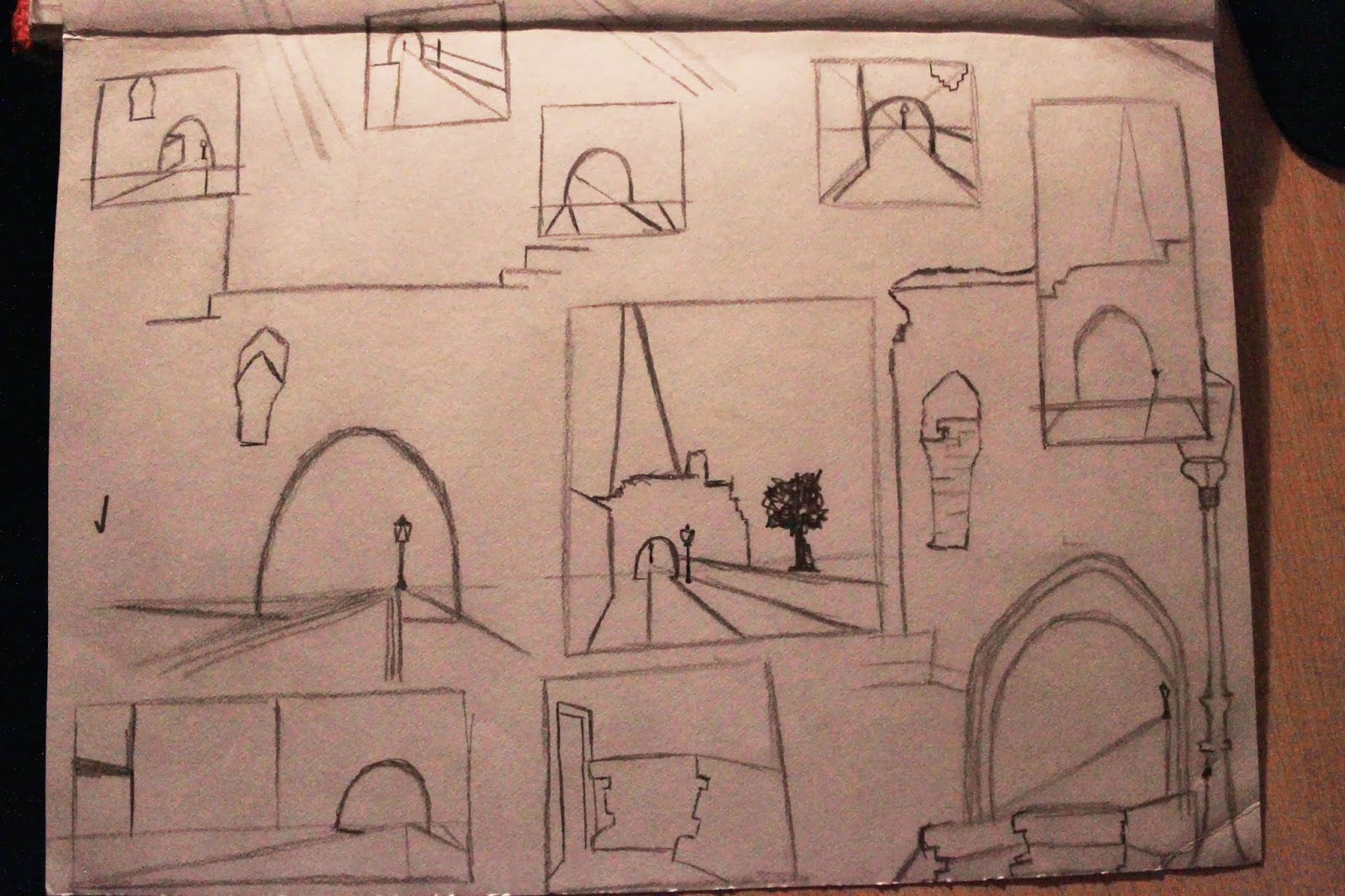
 I know, I didn't really nail exactly how I wanted the duel perspectives
on this one but overall I was quite pleased with my line making.
I know, I didn't really nail exactly how I wanted the duel perspectives
on this one but overall I was quite pleased with my line making.




 The Whirlwind 1 [Fig.1] was a military machine built for the US Navy by the people at MIT in 1947 and was one of the first to involve video displays for recording their data. The intention for its creation was to replicate much more realistic aerodynamics than previous systems like the 'Link Trainer' (also know as the 'Blue box') so that it could be adapted to a much wider range of planes.
 The Difference engine no.1 [Fig.2] was invented in 1832 by Charles Babbage and was possibly the first automatic calculation device. Sadly only 1 year later in 1833 the project that the government had already spent £17,000 was scraped when Babbage gave up. Unfortunately Historians calculated (you see what I did there?) that his actual design could actually work but was beyond the capability's of his time, they had neither the technology or the precision to complete a working machine. Obviously you're probably wondering at this point what on earth this has to do with Gaming but without the development and push towards new technology's where would we be today?
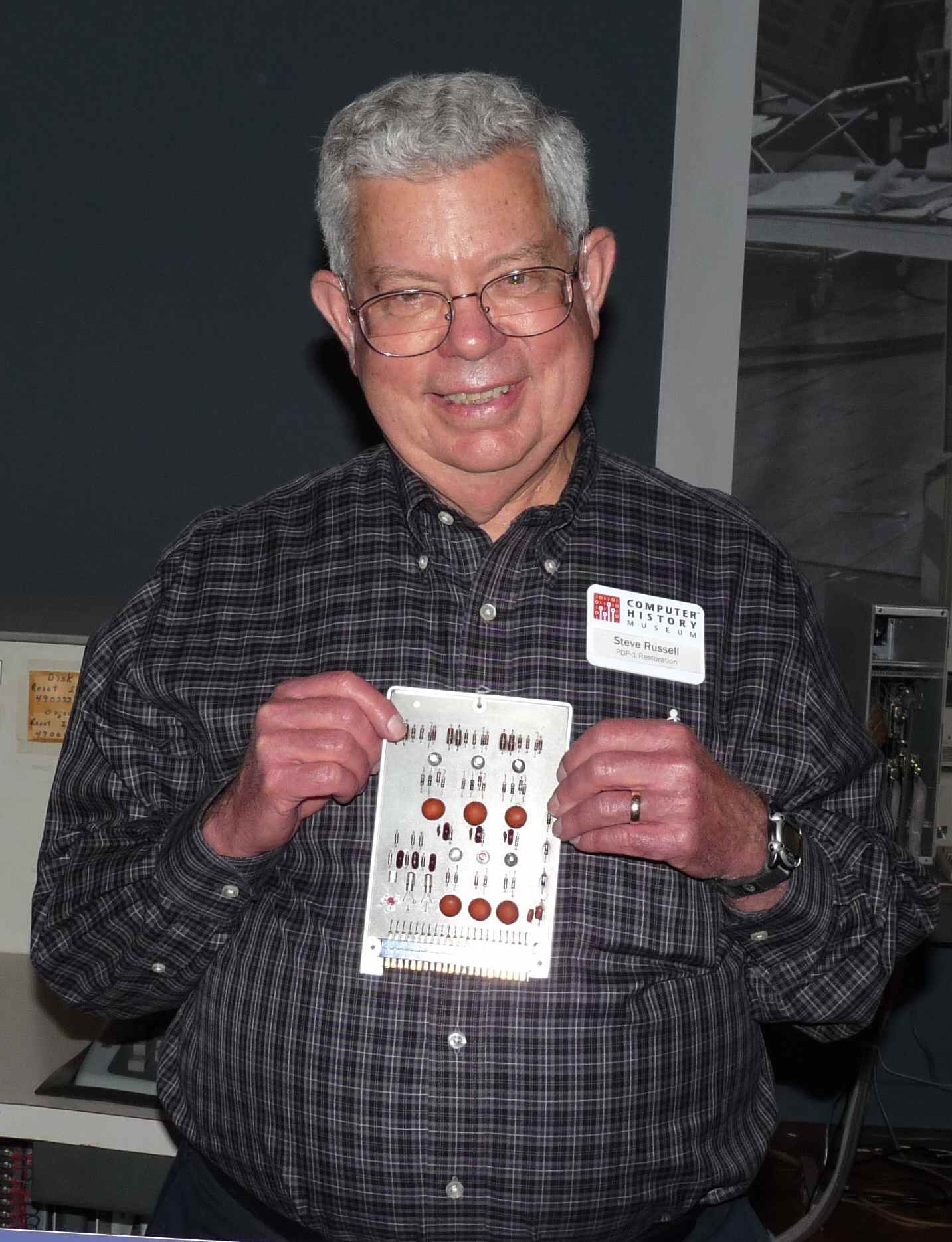
 made at MIT by a young man by the name of Steve Russell all on a mini computer (PDP-1) donated by the company DEC. Influencing what most of us know today as the Game 'Asteroids' (Not developed until 79') Spacewar was in such high demand that it was distributed for free with the source code given to whoever wanted it, also coming pre installed on all new PDP-1 machines. Poor Steve Russell never made any form of profit for his teams contribution to video game history. Still quite the happy looking chap.